Identifying Severe Structural Decline in Mature Trees
Trees are dynamic living structures that eventually reach the end of their natural lifespan. When a tree begins to fail, it can exhibit subtle visual clues that indicate deep structural decline. Homeowners often overlook these indicators until the damage becomes severe.
Westwood Arborists helps property owners identify these subtle changes before they become major problems. Trunks with deep, vertical cracks or large cavities where the wood has rotted away are clear warning signs. Fungal growth around the base of the tree also points to internal decay.
In these situations, standard pruning techniques may not be enough to restore structural stability. When internal rot compromises a substantial portion of the trunk, selecting professional Tree Removal is often the most sensible path forward to prevent unexpected failure.
The Impact of Root Decay on Property Foundations
Roots anchor massive trees into the soil, providing the stability required to withstand strong winds. When roots become damaged by construction, soil compaction, or disease, the entire structure becomes unstable. A compromised root system can lead to gradual leaning or sudden tilting of the trunk.
Inspecting the soil surrounding the base of your trees can reveal critical information about root health. Heaving soil, cracked concrete walkways, or fungi growing directly from the root flare are indicators of root rot. These issues can eventually impact nearby concrete foundations and underground utility lines.
Resolving root-related stability issues often requires hard choices. If the structural roots are severely decayed, the tree cannot support itself in the long run. Undergoing a professional Tree Removal process ensures that compromised root systems do not undermine the stability of your yard.
Managing Overcrowded Landscapes to Save Nearby Vegetation
Landscapes are constantly changing, and trees planted decades ago can eventually outgrow their designated spaces. When multiple large trees compete for the same limited sunlight, water, and soil nutrients, the overall health of your garden can suffer. Overcrowding leads to weak, spindly growth.
Selective thinning of your property can revitalize the remaining vegetation. By identifying the most vigor-deprived specimens, property owners can strategically thin out their landscape to allow healthier specimens to thrive. This selective thinning process is a regular part of comprehensive landscape management.
Initiating a targeted Tree Removal can open up the canopy, letting natural sunlight reach shaded lawns and understory plantings. At Westwood Arborists, we help evaluate which specimens to retain and which ones to extract to improve the overall health of your property in Boise.
What to Expect During the Professional Extraction Process
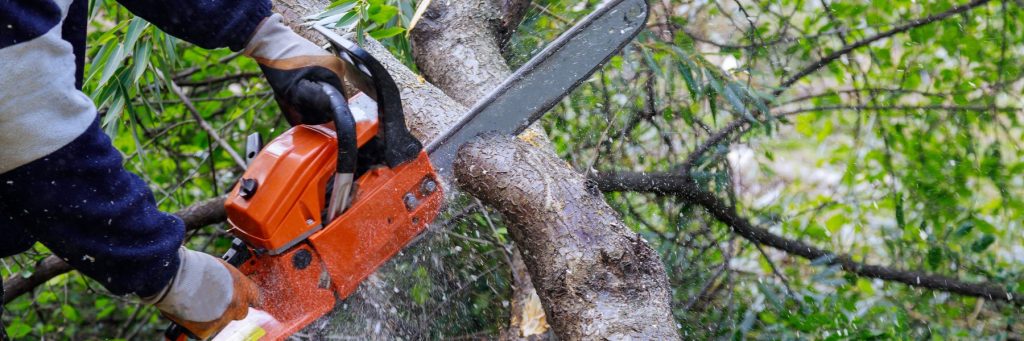
The extraction of a large tree requires systematic planning and specialized equipment. Professional crews evaluate the lean of the tree, nearby structures, and potential landing zones before making any cuts. Each limb is carefully lowered to manage the descent of heavy wood.
Modern rigging systems allow technicians to guide large pieces of trunk and limbs away from sensitive garden beds and hardscapes. This controlled dismantling process minimizes the impact on your surrounding lawn, leaving your outdoor space ready for the next phase of landscaping.
Once the main structure is cleared, property owners must decide how to handle the leftover trunk base. Opting for professional Stump Grinding immediately following the extraction process leaves the ground level and ready for immediate replanting.